

Your Chevy End-of-Lease Guide: Identifying Excessive Wear

One of the perks of leasing a Chevy is knowing that, at the end of your current lease, you can lease a new Chevrolet with the latest technology, luxuries, and convenience features. Getting to this point, however, requires a little work on your part to prepare your current leased vehicle for return. But don’t worry; the team here at Rick Hendrick Chevrolet of Buford is here to help you navigate your Chevy end of lease.
Aside from cleaning your leased vehicle and removing any personal items, it’s important to inspect your vehicle for excessive wear or damage. Leasing a vehicle is a lot like renting an apartment. When you rent an apartment, you are limited to what you can do with the space since you don’t own it. You’re responsible for keeping it in good condition and returning it like-new without holes in the walls, damage to the flooring, or any other significant defects. The same is said for your lease vehicle and is what inspired our team to put together this guide to excessive wear so that you can get the most out of your Chevy lease.
Normal vs Excess Wear
Chevrolet fully expects normal wear and tear in a leased vehicle. Unless you leave the vehicle in your garage and never drive it, normal wear is unavoidable. However, it’s important to know what Chevy defines as “normal” and “excessive” when it’s time to inspect your vehicle. Fortunately, Chevy makes it easy by outlining these standards in their end-of-lease guide and via their Wear-and-Use Card.
Exterior Wear
Regardless of how mindful you are, every vehicle is prone to dents and dings. These can occur in parking lots from other vehicles parking too close to you, from grocery carts hitting your vehicle, or from rocks or other debris damaging your windshield. So, what does Chevy define as normal or excessive?
Inspect the exterior of your vehicle for dents, dings, and scratches. According to Chevy’s standards, normal wear is having less than four dings per panel, each of which measures less than 2 inches. Anything more or larger is considered excessive wear. For example, having six dings on a panel or a dent that measures 3 inches are both considered excessive wear. A single dent that measures up to 4 inches or one scratch that measures less than 6 inches is considered normal wear.
Ideally, your windshield should be free of damage when you return your leased vehicle. However, accidents happen. Chevy considers normal wear and tear on the windshield to include cracks that measure less than a ½ inch in diameter. Cracks wider than this or spider cracks are considered excessive.
Interior Wear
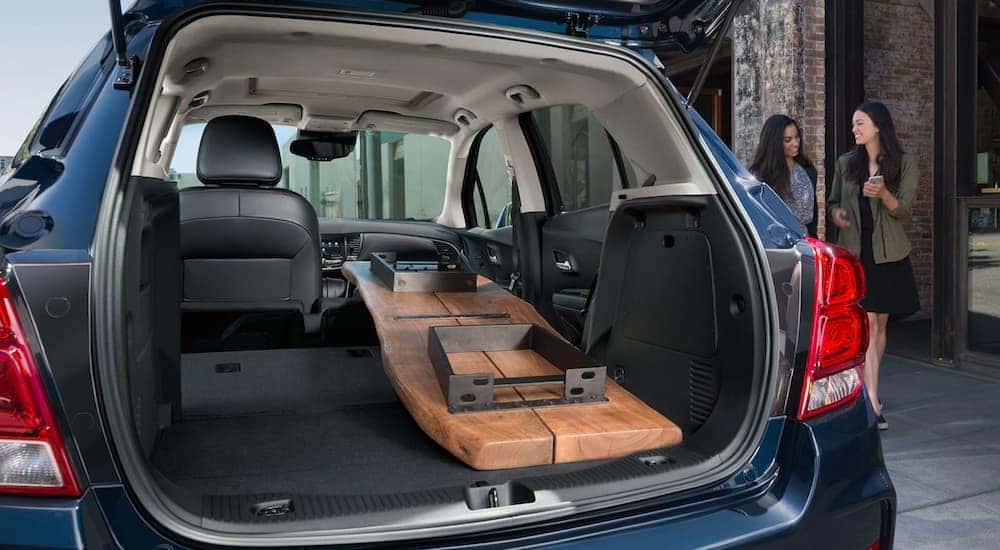
Whether you use your vehicle solely for commuting or you’re hauling kids to and from school and their many extracurricular activities, your vehicle is likely to see some wear and tear. Spills happen, and Chevy recognizes this. Before inspecting your vehicle’s interior, remove your personal items and clean the vehicle to the best of your ability. As you do this, make a note of any signs of wear or damage.
Chevy considers small stains and minor carpet wear to be normal, while permanent stains are excessive. Tears in the upholstery that are greater than ½ inch are classified as normal, while tears that are larger are excessive and will incur charges for repair. Holes in the upholstery that measure more than ⅛ inch are also considered excessive.
Wheel and Tire Wear
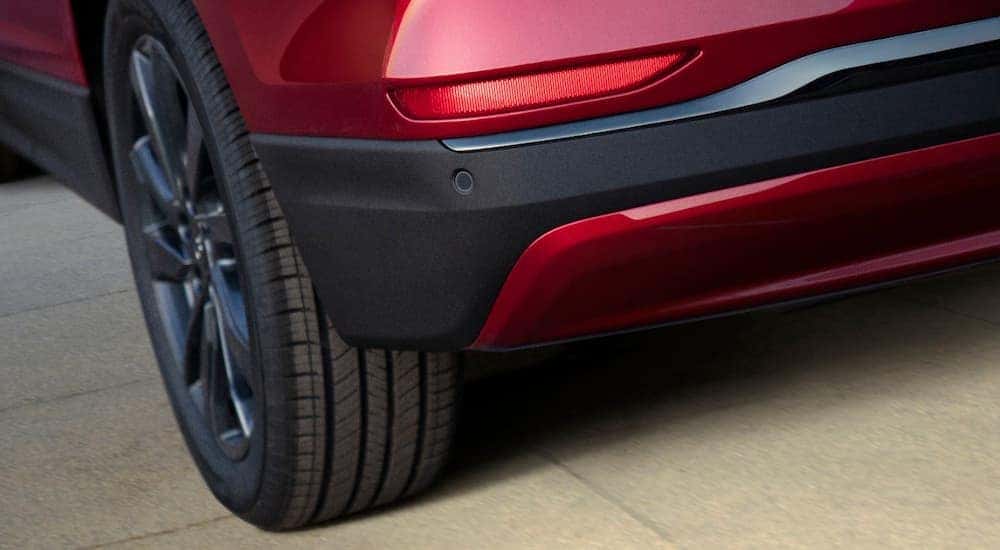
As you inspect your vehicle, it’s important to look at the wheels and tires for damage. Your Chevy lease must be returned with the original wheels from the manufacturer that match the manufacturer’s recommended tire size and speed rating. Tires that do not meet these specifications or that do not all match fall under excessive wear. Wheels with scratches or gauges that measure more than 3 inches and tire tread that measures less than 4/32 of an inch are considered excessive. If your Chevy lease came equipped with Michelin Premier LTX tires, tire tread that measures less than 2/32 of an inch is considered excessive.
Other Wear
When you lease a Chevy, it’s your responsibility to keep the vehicle in proper working order. This means ensuring that all its parts and equipment function and that any powertrain issues like those pesky “Check Engine” lights are resolved at a Chevy service center. Things like cracked headlights, missing equipment such as keys and key fobs, instrument panel warning lights, or mechanical defects are considered excessive.
Excessive Wear: What to Do
Now that you’ve conducted your self-inspection, what’s next? Every leased Chevy must undergo a pre-return inspection by the dealership within 120 days of lease-end. This complimentary inspection will give you more insight into any excessive wear or potential charges that you’ll incur if you return the vehicle as is. What’s even better is that you can schedule the inspection to be completed at the dealership, your home, or your office. By having this inspection done in advance, you have plenty of time to get the issues resolved before lease-end and, in turn, can proactively avoid excessive wear and use fees.
What happens if the inspection shows excessive wear? You have the option to make the repairs needed prior to your lease-end, or you can return the vehicle as-is and pay the associated fees. If you choose to have the issues repaired, be sure to save your receipts and turn them in with your lease.
The End Is Near: Turning In Your Lease
It’s officially time to return your Chevy lease. This is an exciting time because it means you have the option to buy your lease, buy a different Chevy, or lease a new Chevy. But before you decide on your next steps, you’ll want to do one last inspection of your vehicle to prepare for its return.
Before returning your lease to us, be sure to clean the vehicle inside and out. Remove all your personal items like sunglasses, parking passes, phone chargers, garage door openers, and other accessories. As you do this, check to ensure that the vehicle’s original equipment is present and working. This equipment includes the keys and key fobs, owner’s manual, original wheels, and other applicable accessories like headphones to the entertainment system, power-charging cables for electric vehicles, and third-row seating, the latter of which some drivers prefer to remove for added cargo room. Once you’ve confirmed that everything is present, it’s time to head to the dealership.
When you turn in your leased vehicle, be sure to ask for a copy of the turn-in receipt. Confirm that everything listed on the receipt (mileage, etc.) is correct. Our team will then walk you through the final steps and explain your options as well as when you can expect to receive your security deposit or the final invoice. The invoice will include any remaining payments, taxes, excessive wear-and-tear and/or mileage fees, and other applicable charges less your security deposit.
Your Next Chevy Is Waiting
The clock is ticking on your Chevy lease, and we’re here to help you start the countdown to the end of your Chevy lease. As you know, leasing a Chevy is incredibly rewarding. It means getting to drive the latest in the Chevy lineup, whether you need a capable workhorse like the Silverado 1500 or a family-friendly SUV like the Chevrolet Suburban or Chevy Tahoe. Your options are plentiful and surprisingly affordable, with lower monthly payments across the board, thanks to Chevy’s exceptional lease program.
0 comment(s) so far on Your Chevy End-of-Lease Guide: Identifying Excessive Wear