

Yes, It Is Possible to Find a Used Car With the Latest Driver-Assist Technologies
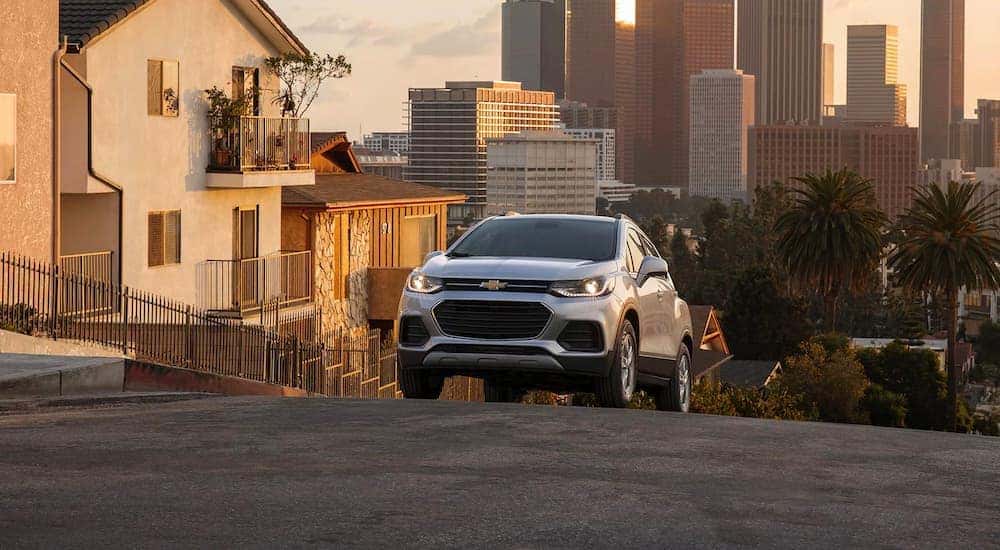
If it’s been a while since you shopped for a pre-owned car, one look at our local Atlanta used car lot is all you’ll need to see how much has changed. Recent model year cars offer state-of-the-art safety and convenience technology we couldn’t have dreamed up even 10 years ago. We’re living in the Jetsons era, with self-driving cars and intelligent driver-assist technologies that make driving easier and less fatigue-inducing than ever before.
As you sift through your options, consider how you plan to use your vehicle. Atlanta commuters should educate themselves on driver-assist systems to gain an understanding of how onboard radars, cameras, and sensors take the drudgery out of long highway drives and keep occupants safer in the process. Inside the cabin, deluxe infotainment systems connected seamlessly with your smartphone, allowing you access to apps and content––like your favorite Spotify playlist––with one simple connection.
Even if you consider yourself “old school,” these technologies are bound to come in handy. Automakers like Chevy have made them so easy to use that even the most resistant drivers have to grudgingly admit that they make life a lot easier. Here’s our guide to the newest tech on today’s modern vehicles.
Driver-Assist Safety Systems
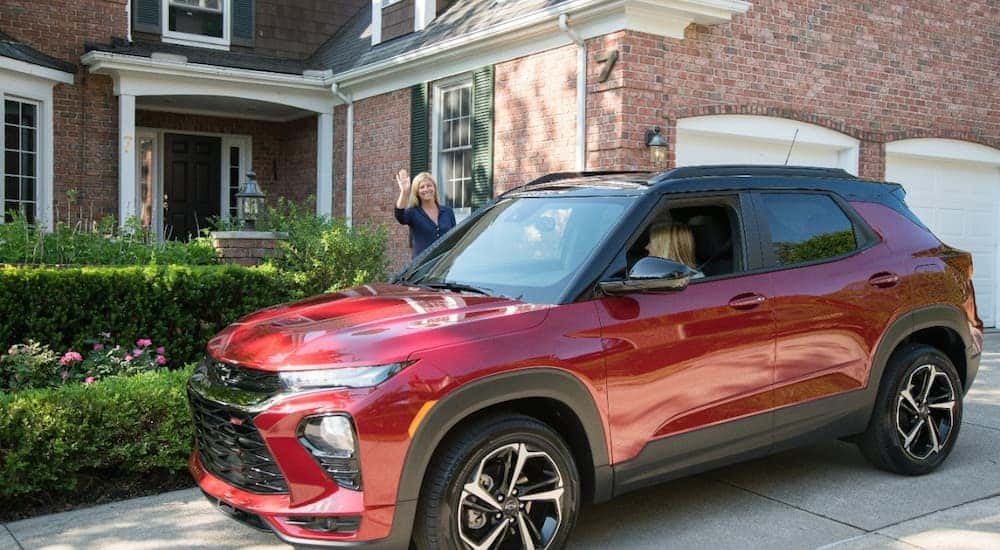
Everyone loves a gadget that does something cool, but when it comes to motor vehicle safety, cool is at the bottom of the list. Automakers strive to exceed safety requirements to ensure occupants remain protected in the event of a collision. They employ steel cages, tons of airbags, and crumple zones to create a protective bubble around you and your passengers. As beneficial as they are, these efforts don’t help avoid a crash in the first place. That’s where driver-assist technology comes in.
Through the use of cameras, radar, and sensors, driver-assist safety systems work by constantly monitoring the area surrounding your vehicle, activating when they detect a change that could create a hazard. For example, if one of the vehicle’s onboard sensors detects a pedestrian crossing in front of your vehicle, it will alert you audibly. If you don’t react (a.k.a. hit the brakes), it will intervene and perform an emergency braking maneuver to avoid making contact.
On Chevy vehicles, this particular system is called Front Pedestrian Braking. It’s one of several available systems in the Chevy Safety Assist suite. Other systems help you stay in your lane of travel by alerting you when the vehicle drifts. Another will monitor your blind spots and let you know if changing lanes is unsafe. Forget holding your breath every time you back out of your driveway: instead, let your backup camera alert you to any oncoming cross-traffic.
At lower speeds, an available Rear Park Assist system helps you avoid the dreaded bumper kiss. As you’re backing into a parking space, the system sends audible chirps. The chirps will come faster and closer together as you near the wall, curb, or other obstacles. Once the chirp turns into a continuous audible alarm, that’s your signal to stop. The system also displays a color-coded guide on the backup camera. Green is good, yellow to slow down, and red to stop.
Driver-Assist Conveniences
What’s worse than driving on a long, two-lane highway at night and having to remember to switch your high beams on and off? Luckily, modern vehicles have automated that drudgery, so you never have to feel guilty for shining your beams in an oncoming driver’s eyes. Automatic High Beams, which are called IntelliBeam on Chevy vehicles, detect oncoming headlights and automatically shift to the low-beam setting. Once the vehicle passes, it switches back to optimize illumination.
Another Chevy system, called Adaptive Cruise Control, offers a similar set-it-and-forget-it convenience during highway drives. When you set the Adaptive Cruise Control system, your vehicle will slow down and speed up with traffic while keeping a safe and consistent distance away from the vehicle ahead. The system eliminates the need for constant manual adjustments and has the added benefit of breaking your lifelong tailgating habit.
Visibility is another area that has seen huge leaps in technological advancement. Consider that many Chevy vehicles now offer High-Definition Surround Vision cameras. Recent used Silverado pickups offer up to 15 different camera views. Put into action, that means drivers can reap the benefits of a close-up view of the tow hitch on the infotainment touchscreen or a bed view to check on cargo during the drive. There’s even a bird’s eye view camera that offers a 360-degree view of the area surrounding the vehicle.
The term “driver-assist” isn’t just a clever name––these systems work by making your drive easier and safer, which translates into less fatigue and better alertness. A lot can go wrong on the road, so having an extra set of eyes to keep watch adds peace of mind and allows drivers to get back to the days of enjoying the drive instead of gripping the wheel and hoping for the best.
Infotainment and Connected Services
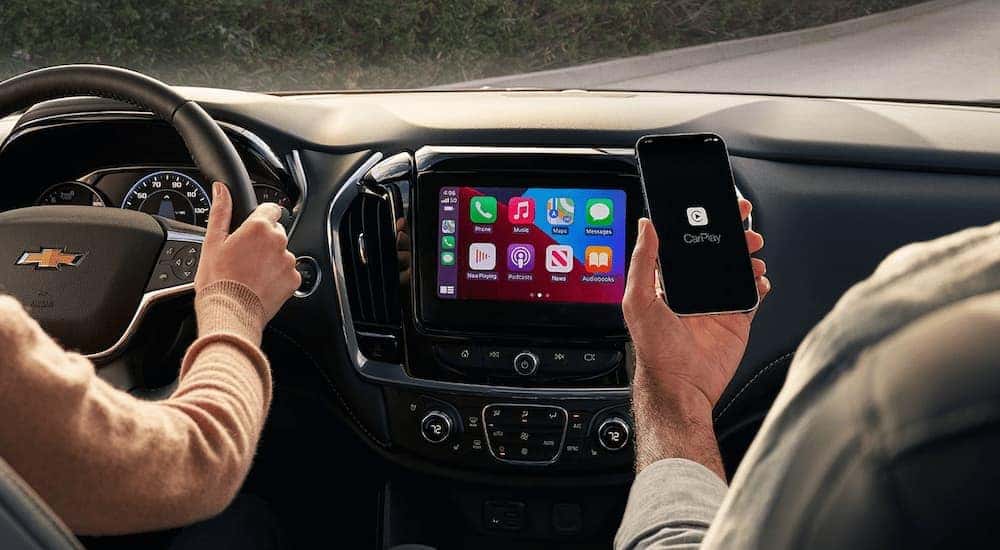
These days, a 15-inch infotainment touchscreen isn’t uncommon. Today’s newer vehicles essentially offer dash-mounted LCD flatscreen TVs to aid drivers with everything from climate control to toggling away from that one annoying overplayed song that gets stuck in our heads. Touchscreens now offer pinch-to-zoom interfaces that work like your smartphone. They also provide a gateway to app-based conveniences and services designed to keep you connected while on the go.
Infotainment is the latest buzzword in onboard connected technology. It all starts with an advanced operating system that helps you connect your smartphone and smart home devices, like Amazon Alexa, to your vehicle. The smartphone gateways are called Apple CarPlay and Android Auto. These wired or wireless connectivity features let you interact with phone apps via your car’s touchscreen. Access maps, send voice texts, and even receive alerts and phone calls through the car’s audio system simply by connecting your phone.
Connected services are subscription-based bundles that turn your smartphone into a virtual key and a data hub for all your vehicle’s key diagnostic information. When you subscribe, you can lock and unlock your car doors, sound the horn, and even remote start your car and set the climate controls. Cold winter mornings and sizzling hot days are no match for the convenience of a robust remote start system.
It’s not all about convenience with connected services: carmakers like Chevy offer safety-related features as well. OnStar is available on almost every Chevy model. With it, you’ll have a gateway to live, trained operators who can assist when you get a flat tire, help you with directions, and even dispatch emergency services automatically when the airbags deploy. Connected services keep track of fuel levels and service intervals, too.
You Don’t Have to be Tech Savvy to Opt In
All of these technologies might seem overwhelming, but once you get over the initial learning curve, you’ll wonder how you ever managed without them. Ask any automaker, and they’ll tell you that the ultimate goal is a fully automated driverless vehicle. Futurists believe that automation will make traffic jams and collisions a thing of the past––welcome news to drivers familiar with the crowded streets of Atlanta.
Lofty goals aside, today’s semi-autonomous driver-assist technology and in-vehicle infotainment systems offer drivers tons of conveniences and additional safeguards to ease the stress associated with daily driving. As you consider your next used vehicle, give some thought to how advanced technology features could benefit your ownership experience. You might be surprised at the sheer volume of new tech that’s available!
0 comment(s) so far on Yes, It Is Possible to Find a Used Car With the Latest Driver-Assist Technologies