

Used Truck Buying Guide: What Everyone Needs to Know
Searching for the best used trucks for work can be tedious and exhausting. People frequently get tired of the search and settle for less than what they need. However, finding an Atlanta used truck dealer that has an extensive inventory and great auto financing options is possible. When you are shopping for a work truck, you can’t settle for just anything with a bed. You need a pickup that is durable, dependable, and powerful enough for the job. Choosing the right one comes down to where you drive, what you haul, and the daily loads you put on the vehicle.
Payload, Curb Weight, and Towing Capacity
Two of the most important numbers for a used truck are the curb weight and the payload. The curb weight of a pickup is the vehicle’s weight when it has no occupants and no cargo in it. However, it includes the weight of a full tank of gas, all other necessary fluids, and standard equipment like the spare tire. The payload is the amount of weight that the vehicle can support above its curb weight. Payload is in direct reference to the amount of weight the vehicle can carry – but be careful; the payload also includes the weight of the passengers and their belongings.
When buying a work truck, it is often handy to know the payload because you can then determine if what you haul on an average trip will be too heavy for the vehicle. If you are going to carry a half cord of firewood, you could be adding over 2,000 pounds of weight to the truck. If you typically haul a half cubic yard of sand, then your vehicle will have about 1,500 pounds of extra weight to carry.
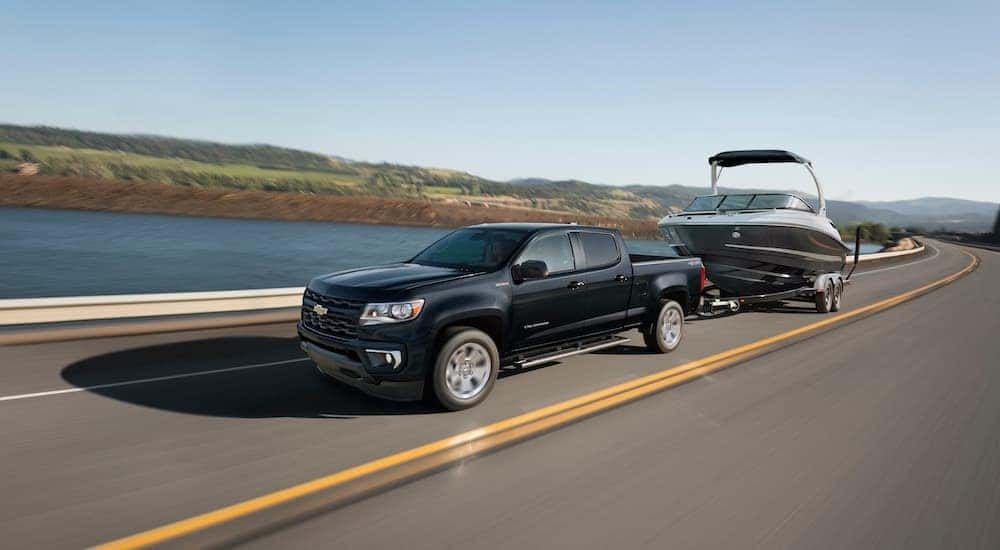
Towing capacity is the amount of weight the vehicle can pull behind it safely. If you need to pull a trailer to haul various work-related items, then it is good to know the standard weights of those items – and don’t forget to include the weight of the trailer itself. For instance, a typical boat weighs about 2,500 pounds, but the trailer can add another 1,000 pounds. So to pull a 2,500-boat, you may need a total towing capacity of close to 4,000 pounds.
Pro Tip: Exceeding the towing limit of a truck may not seem like a big deal, but this is an excellent way to damage the vehicle’s frame. The additional weight also puts stress on the transmission and axles. It can also lead to an increased chance of a tire blowout, brake failure, and other dangerous scenarios.
Should You Get Four-Wheel Drive?
One mistake that is often made when people are shopping for work trucks is automatically choosing four-wheel drive. There is a myth that the four-wheel-drive vehicle has additional towing and hauling power. However, the vehicle’s work capabilities are not determined by whether the car is a two-wheel or four-wheel drive – in fact, four-wheel drive trucks usually have lower tow ratings than the two-wheel drive versions!
Work capability is largely a product of your pickup’s gross vehicle weight rating (GVWR), minus the curb weight of the truck. Because a two-wheel drive and four-wheel drive truck of the same model will have the same GVWR, the added weight of four-wheel drive usually means lower towing and payload. So if you are looking to maximize your hauling power, you just might want to focus your search on used two-wheel drive trucks – especially since they are usually more affordable as well.
However, four-wheel drive trucks are better for anyone who is going to be driving across slippery terrain, up steep inclines, or in off-road conditions. If you are going to drive across muddy roads, then a four-wheel drive pickup will benefit you more than a two-wheel drive. If most of the roads you travel will be paved, the extra money it costs to have a four-wheel drive will just be wasted money.
Pro Tip: A four-wheel-drive vehicle is likely to have been driven harder, and when shopping for a used four-wheel-drive pickup, buyers should pay extra attention to the vehicle’s undercarriage. Pay close attention to scratches, dents, or worn leaf springs. These are signs of possible heavy use or abuse.
Extended Cabs and Crew Cabs
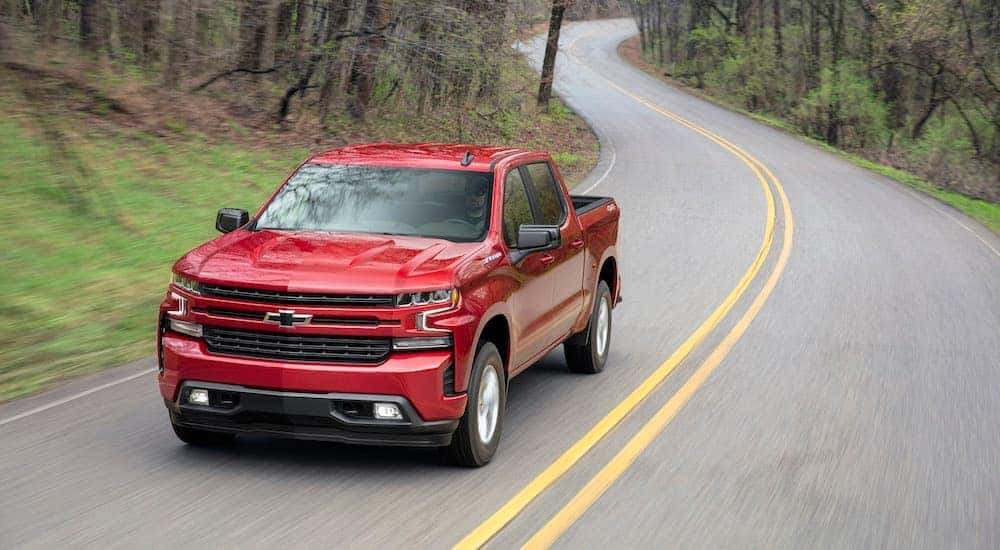
Extended cabs and crew cabs give you more room for occupants. If you plan on having people riding in the back row regularly, you will definitely want a crew cab for the added legroom and larger rear doors. However, keep in mind that a larger cab will either have a shorter bed than usual, meaning your cargo-hauling abilities will have been reduced, or will have an extended wheelbase, making the truck harder to park in tight areas.
The single cab trucks with one bench seat are very hard to find in today’s truck market. Most people want the vehicles to have a rear seat, and having four doors makes a back seat more accommodating, easier to use, and easier to access. Even if you don’t plan on carrying passengers in the back, having a larger cab gives you secure storage for things like tools and can make your truck much easier to live with.
Extra Features
When you buy a used vehicle, you often find one that the owner has customized. The previous owner may have done things like adding a lift kit or upgrading the truck with an additional wench or heavy-duty bumper. Extra features that have been added on are not bad, but they do bear inspecting before you decide to buy.
Pay close attention to things like added wenches for signs of wear or abuse. Look under a lifted vehicle and make sure the lift is installed correctly and that everything looks well-cared for. Extra features that come in optional factory packages also increase the value of a used vehicle. Many of the extras include improved safety features and expanded comfort features. Heated seats, navigation, heated mirrors, and LED headlights are often only seen on higher trim levels.
Pro Tip: Test each extra feature, not just to make sure they are in proper working order, but to make sure that you know how they work. Many modern trucks are filled with advanced technology that can make getting the job done easier, but all those features aren’t any good if you don’t know they even exist. Talking with the staff here at Rick Hendrick is a great way to make sure you aren’t missing anything.
Raise the Hood, Kick the Tires, and Take a Test Drive
Under the vehicle’s hood, you should be inspecting the belts, hoses, and fluid levels. If the belts or hoses appear worn, it may indicate that they will soon need replacing. If the oil looks dark or smells burned when you check the dipstick, it may mean that the engine has not been adequately cared for with regular maintenance.
Take a test drive and see if the steering is tight. Be sure to get the vehicle up to speeds of about 70 mph to determine if it will have any shaking at higher speeds. Turn the radio off, and listen to the sounds that the engine makes. Check the brakes for stopping power, and be sure and try the four-wheel-drive if equipped.
Taking a test drive is also a critical part of discovering if the truck you are looking at will work for you. Are the seats comfortable? Are the controls easy to reach? What looks like the perfect truck on paper may not be right for you once you are in the driver’s seat. However, if it all feels just right, then you have found yourself a used work truck that will last you for years to come.
0 comment(s) so far on Used Truck Buying Guide: What Everyone Needs to Know