

How to Go Electric: A Guide to the World of EVs

It seems like it was only yesterday when manufacturers began discussing the development of electric vehicles. But in just a few short years, EVs have been catapulted to the forefront of popularity, and you can now find electric vehicles for sale everywhere. For many drivers, the prospect of having a vehicle that can reduce or, in some cases, eliminate the need to buy gas is an enticing one. However, as with any segment of the automotive market, there are a number of different types of EVs that you can pick and choose from.
A common misconception is that every electric vehicle is fully battery-powered. However, there are three distinctive classes of EVs that are available today. Some combine electricity and gasoline power, while others do away with gasoline entirely. Each type of EV has its own distinctive advantages, and after you’re done reading this article, you’ll have a thorough understanding of the different options on the market. If you still have questions, the team here at Rick Hendrick Chevrolet of Buford is always ready to help.
Why Go Electric?
As you might have noticed, many manufacturers have been taking the initiative to roll out more electrified vehicles. Some have even set ambitious goals to have EVs take over most of their fleets in the upcoming decades. While the internal combustion engine has been the primary method of propelling vehicles for many years, burning gasoline releases toxic pollutants into the earth’s atmosphere. By focusing more on the development of electric vehicles, many manufacturers are helping to reduce the impact of harmful emissions. Taking better care of the earth is the responsibility of everyone, and consumers and manufacturers can both lead the way to a better world.
Hybrid Electric Vehicle (HEV)
When electric vehicles first began to impact the marketplace, the HEV was the most common form of electrification, and it remains the most accessible. The two most notable hybrids to gain widespread popularity were the Honda Insight and Toyota Prius. Both were synonymous with the formative years of the EV. How do they work? An HEV is very similar to a conventional gasoline vehicle. However, it pairs its gasoline engine with electric motors and a battery to capture wasted energy through regenerative braking. This energy is then used to supplement the gasoline engine when accelerating, saving fuel.
HEVs do not need to be plugged in to be recharged, which makes them a great entry point into the world of electric vehicles. While they still burn gasoline, hybrids are extremely effective at providing drivers with excellent fuel economy. For example, the original 2001 Toyota Prius, which used a 1.5L four-cylinder gasoline engine, is rated for 41 MPG combined, and the latest Prius gets 57 MPG combined. Chevy has applied hybrid technology to a number of vehicles, including the 2005 Silverado, which saw the vehicle’s fuel efficiency improve to 17 MPG combined. One of the most recent examples of HEV technology in action is the new 2024 Chevy Corvette E-Ray, which pairs electric motors with a V8 engine to accelerate from 0-60 mph in 2.5 seconds.
Plug-In Hybrid Electric Vehicle (PHEV)
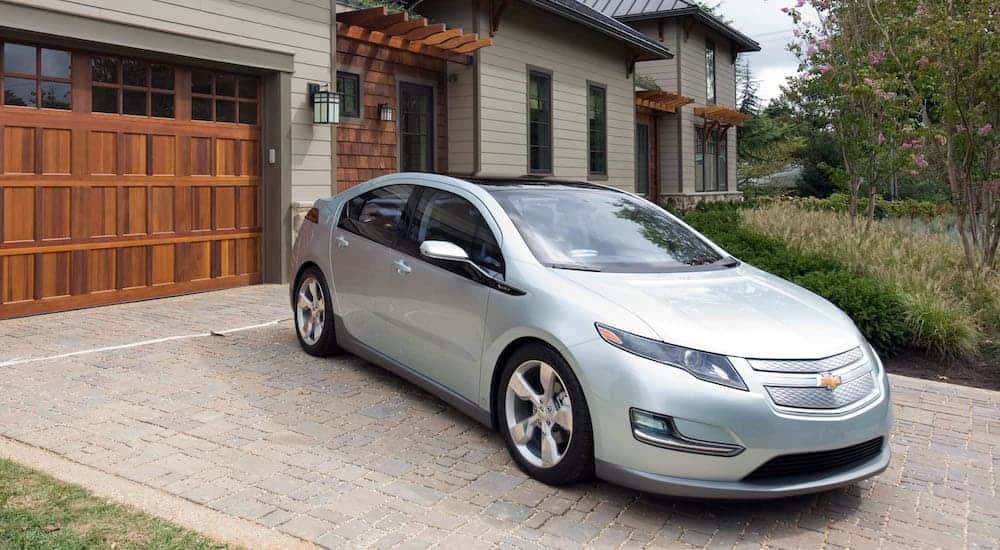
The best way to describe the function of a PHEV is that it’s the next logical phase in the evolution of the EV. Like the HEV, the PHEV utilizes an internal combustion engine and an electrical motor. The fundamental difference between the two is that, as its name suggests, a plug-in hybrid can be plugged in to recharge. The batteries and electric motors in a PHEV also tend to be larger and more powerful, allowing the vehicle to operate in full electric mode for longer periods of time. The first PHEV was the 2011 Chevy Volt, and the technology is now increasingly popular.
If most of your driving takes place over short distances and at lower speeds, then a PHEV can massively reduce your gasoline consumption. For example, the 2018 Chevy Volt can travel 53 miles on electrical power alone, which is more than enough to cover the average commute. However, if you need to travel a long distance, you still have a gasoline engine to fall back on, so you don’t need to stop to recharge along the way. With a full tank of gas, the Volt can travel 420 miles, exceeding the range of almost every purely battery-powered electric vehicle, and you can be back on the road after a quick stop at any gas station.
Battery Electric Vehicle (BEV)
One of the reasons EVs have gained so much popularity over the years is that they allow consumers to have more control over the amount of money they spend on fuel. As we’ve seen over the years, fuel prices tend to be wildly unpredictable, and the cost of filling up your gas tank can be enormous. It was only a matter of time before an alternative to fossil fuels would be developed, and it took the form of the battery-electric vehicle. These are the cars that most people are referring to when they say “EV,” and they have no gasoline engine at all.
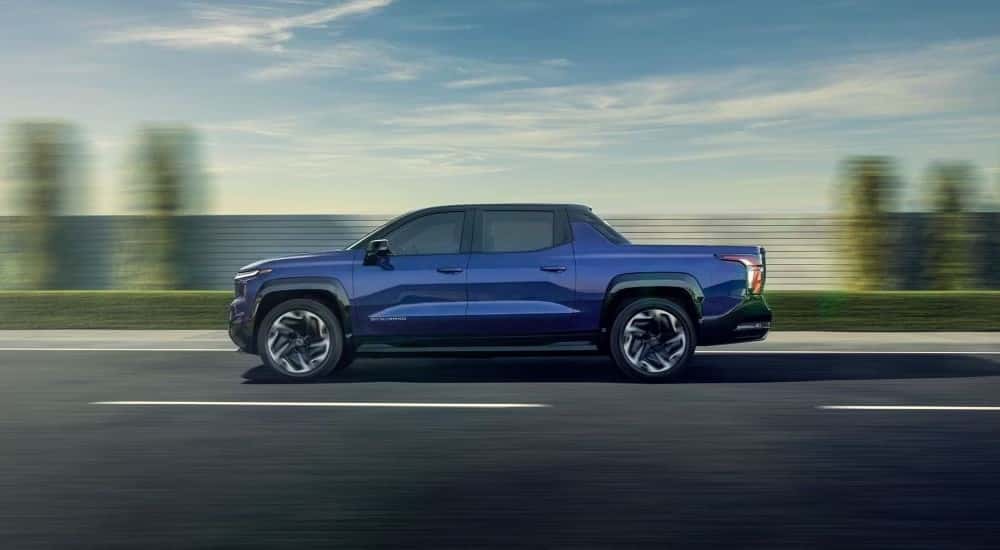
Because they operate on battery power alone, BEVs allow drivers to bypass the pump altogether. The large battery transmits power directly to the wheels without producing any emissions, providing a quiet and environmentally-friendly commute. While the marketplace for these vehicles has been dominated in recent years by Tesla, Chevy has been establishing itself as one of the major players in this field. For example, the 2023 Bolt EUV can travel 247 miles on a single charge and grants drivers all of the benefits associated with an SUV for under $30,000. With the upcoming release of the Silverado 1500 EV, the technology is being harnessed in new ways that defy all expectations.
Another significant advantage of owning a BEV is the reduction in maintenance costs. With the powertrain consisting of a battery and electric motors, there is no need for oil changes, timing belt adjustments, spark plug replacements, and all the other repairs associated with gasoline-powered vehicles. Fewer parts are needed to operate a BEV, which reduces the costs of maintaining one. Not only is this good for your wallet, but it’s also good for the environment since it means less waste and fewer toxic chemicals.
Going Electric Is Easy at Rick Hendrick Chevrolet of Buford
If you’ve ever been behind the wheel of a vehicle produced by Chevy, you may be familiar with Teen Driver Mode. This innovative feature provides necessary oversight to help parents impart important skills to new drivers. Electric vehicles play a similar role in building a better future for everyone on the road. By making a conscious effort to take better care of the planet, manufacturers and consumers can both do their part to ensure that tomorrow’s drivers have a place to flourish.
If you’ve been thinking about the benefits of owning an EV and have finally decided to take the initiative to go electric, look no further than Rick Hendrick Chevrolet of Buford. With our wide selection of new and used models to choose from and a knowledgeable sales team to help you make the right choice, you’ll have a vehicle shopping experience unlike any other. Electric vehicles are paving the way for a bright new future, and if you’re looking to lay a foundation for your own future, our showroom is an excellent place to begin. We hope to see you soon!
0 comment(s) so far on How to Go Electric: A Guide to the World of EVs