

Everything You Need to Know About Manual Transmissions

Manual transmission is getting harder to come by, but there are plenty of driving purists out there willing to go the extra mile to get their hands on it. If you’re wondering, “Is there a used car dealership near me that sells vehicles with manual transmissions?” look no further than Rick Hendrick Chevrolet of Buford for an extensive selection of vehicles with both manual and automatic transmissions. One of the benefits of considering a manual model is that it can give you more choices when shopping for a pre-owned vehicle. If you’re curious to learn more about manual vehicles, you’ve come to the right place. In this article, we’ll look at what a manual transmission is, how it works, and why you shouldn’t count it out.
Automatic vs Manual Transmission
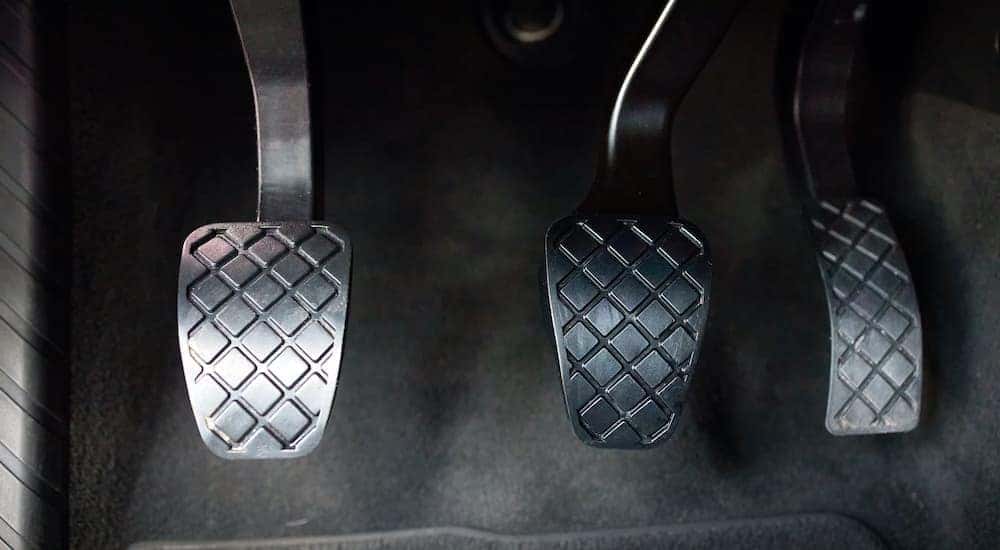
In a manual transmission vehicle, the driver must change between gears to speed up and slow down. With an automatic, as you might expect, the car automatically shifts between gears. An automatic vehicle only has two pedals: the gas and the brake. Vehicles with manual transmission also have a third pedal called the clutch, which is located to the left of the other two.
Why Is Manual Transmission on the Decline?
Some new cars, like Chevrolet’s Camaro and Spark, still offer manual transmission as an option, but that’s becoming rarer and rarer as years go by. There are a few reasons why the stick shift is on the decline. For one thing, automatic is just easier to drive; manually shifting gears is one less thing to worry about while cruising down the highway. On top of that, automatic transmissions have improved a lot since they were first developed. Automatics now shift quietly, quickly, and tend to have more gears than they used to. So they perform a lot better, winning over everyday drivers and even some enthusiasts.
On top of that, the disappearance of the stick shift is something of a self-fulfilling prophecy. Fewer cars are made with a manual transmission, meaning fewer manual vehicles are on the market, which means fewer people buy them. Fewer parents have stick shift cars, resulting in fewer teenagers learning how to drive them. And since learning a new skill takes time and effort, many people feel intimidated by it and stick to what they know.

The Advantages of Driving a Manual Vehicle
One of the biggest advantages driving enthusiasts praise about manual transmission is that it gives you more control over your vehicle’s speed and handling. You can also get a better feel for the process of shifting gears. Many people who only drive automatic don’t even notice the shift between gears, but when driving manual, not only do you control when it’s happening, but you can also get more of a feel for the acceleration. A stick shift can also make it easier to get up steep hills and put less stress on your brakes on the way down. On top of that, manual cars are often cheaper. Since many drivers don’t even know how to drive a stick shift and aren’t willing to take the time to learn, manual vehicles aren’t in demand as much as their automatic counterparts.
How to Drive a Manual Vehicle
Assuming you already know how to drive an automatic car, all you need to learn to drive a manual is how to shift between gears. The basic trick is to press down on the clutch with your left foot, move the gear lever, and then release the clutch. Beyond that, you need to know when to shift gears.
Before you start the car, you need to shift into the neutral position (if you’re on a hill when you do this, you’ll want to hold down on the brake to keep from rolling). After you’ve hit the ignition, shift into first gear and start driving. As you accelerate, you’ll shift into second gear. From there, repeat as needed, moving up a gear at a time as you go faster and moving down a gear at a time as you slow down. When you come to a complete stop, brake as you usually would, then go back to neutral until it’s time to move again.
In theory, this is all pretty simple. The hard part is learning when to switch gears; if you get your timing wrong, you can stall out. But with enough practice, this will eventually become second nature. You’ll be able to feel it out or listen to the engine, and this level of connection with the mechanics of the car is what so many people love about driving manuals.
Why Learn to Drive Stick Shift?
One of the biggest advantages of knowing how to drive a stick shift is that you’ll know how to drive just about any car out there. For this reason, some jobs require you to know how to drive a stick shift. If you’re a driving instructor or work at valet parking, for example, you need to know how to handle a wide range of vehicles. Beyond that, knowing how to drive a manual can come in handy in other situations where you need to drive someone else’s car. This can range from heading out on a road trip to needing to step in as a designated driver for a friend on a night out.
And while the chances of running into a manual transmission vehicle might be pretty slim in the United States, that’s not the case everywhere in the world. Manual transmission is more common in Europe, for instance. So if you’re planning on spending time abroad, knowing how to drive a stick shift can make it easier to do things like rent a car.
Learning the stick shift can also make you a better driver. Since you have to use your mind, hands, and feet more often to keep driving, there’s less room to get distracted. This helps you focus more on what you’re doing, making you a safer and more attentive driver. While this advantage mainly comes into play when you’re actively driving a manual car, you might develop good habits that stay with you, even if you switch back to automatic one day.
Who Should Consider a Manual Transmission?
If you want to learn how to drive a stick shift, the best way to do it is to buy a manual transmission car. Getting a friend to loan you their car for practice can be tricky, and if you’re only able to drive a manual car every now and then, it will take a while to adapt. With daily practice, you should be able to get the hang of it pretty quickly, especially if you already know how to drive.
Of course, if you already know how to drive a manual, you don’t have to worry about buying a stick shift. Just because automatic vehicles have improved over the years doesn’t mean that manual transmissions have worsened. In fact, some newer vehicles have benefitted from improving technology. For instance, some have a hill-hold feature that keeps you from rolling in neutral, even if you aren’t braking. Others have an indicator on the dashboard that tells you when to shift gears, which can be helpful if you have kids or friends you plan on teaching how to drive stick.
Finally, auto enthusiasts should consider getting a good manual transmission car to enhance their driving experience and gain some cultural cache among their fellow car buffs. This is especially true if you’re a member of a drivers club and have an opportunity to take your vehicle out on the track and see what it can do. Performance cars are more likely than other types of vehicles to come with a manual transmission, so if you’re in the market for one, you’ll have plenty of options to choose from.
Expand Your Used Car Options by Looking at Manual Vehicles
While some see manual transmission as a dying breed, plenty of drivers out there still appreciate its advantages. Even its rarity can be seen as both a curse and a blessing. While there are fewer manual options to choose from, it also makes stick-shift cars special and gives them an air of mystery. If you’re in the market for a used manual transmission car, we here at Rick Hendrick Chevrolet of Buford welcome you to come down to our dealership and let our friendly and knowledgeable sales team show you everything manual transmission vehicles have to offer.
0 comment(s) so far on Everything You Need to Know About Manual Transmissions