Open Today Sales: 9 AM-8 PM



Starting at
Starting at
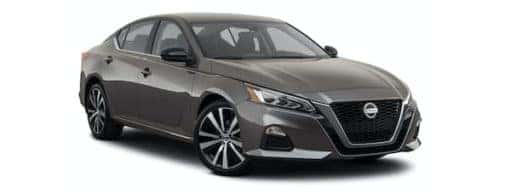
| 160 | Horsepower (hp) | 182 |
| 184 | Torque (lb-ft) | 178 |
| 29/36 | Fuel Economy (city/hwy mpg) | 28/39 |
You might think the whole world has ditched the classic sedan for an SUV, but nothing could be further from the truth. Sales of midsize sedans remain steady, and as manufacturers abandon the category to focus on SUVs, a few high-quality contenders remain. Two such vehicles that are often compared when considering midsize sedans are the 2022 Chevy Malibu vs 2022 Nissan Altima. These long-time nameplates continue to vie for sedan buyers’ business, but which option is better?
The iconic Chevy Malibu offers many advantages over the Altima, including more cargo capacity and better fuel economy. Budget buyers will appreciate the base Malibu LS for its many standard premium features but may be disappointed in the comparable Altima S, which limits standard equipment, yet costs over $1,000 more. Most buyers in the midsize sedan segment want a great value and a nice assortment of standard features, which you’ll find on the Malibu.
Can the Nissan Altima compete? It boils down to personal taste and how much you want to spend. Also, the Altima can’t compete with the Malibu in terms of its history in the automotive world. The nameplate dates to the mid-1960s, which steeps this sedan in a rich legacy of performance and luxury innovation. That legacy exists in the modern-day Malibu and carries Chevy’s commitment to class-leading cars with features buyers want in a reliable midsize sedan.
By contrast, the Altima hit American dealerships in 1993 to replace the aging Stanza compact sedan. Currently, in its sixth generation, the Altima offers predictable styling and an efficient interior cabin, but it lacks the style and curb presence found on the Malibu. Perhaps it’s the Malibu’s American muscle car roots and aggressive styling that make it so appealing, but whatever it is, the Altima is missing it.
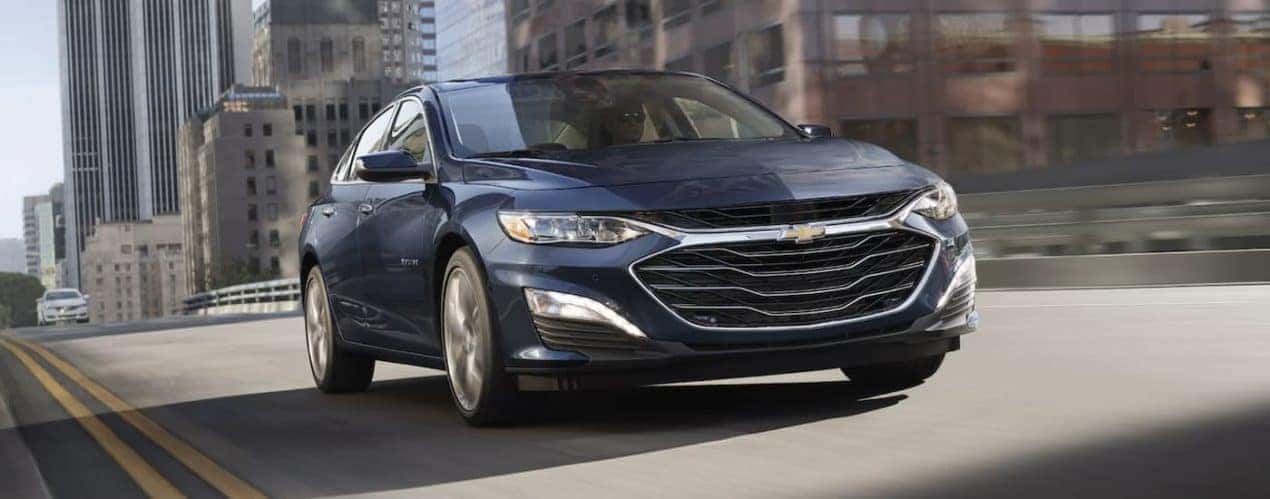
The Malibu is a family favorite, with a spacious cabin and tons of in-vehicle technology designed to keep everyone entertained. What many potential buyers don’t know about the Malibu is where the story gets interesting. Chevy offers a Malibu Premier trim with a standard 2.0-liter turbo engine that produces a sports car-like 250 hp, more than its rival, the Nissan Altima.
The 2.0-liter powerplant that Car and Driver called “gustier” than the engines found on competitive sedans doesn’t sacrifice efficiency for performance; it delivers a respectable fuel economy of 22 MPG in the city and 33 MPG on the highway, which is better than nearly all of its competitors. Chevy pairs the more powerful four-cylinder engine with a smooth-shifting 9-speed automatic that optimizes output.
The Malibu’s base 1.5-liter four-cylinder engine is also turbocharged and paired with a fuel-saving continuously variable transmission. Torque ratings are higher for the Malibu’s standard engine, at 184 lb-ft. The Altima’s standard 2.5-liter four-cylinder offers slightly less, at 178 lb-ft. Does such a small difference matter? It’s noticeable every time you accelerate to highway speeds or drive uphill. In those scenarios, every bit of low-range torque power matters.
Nissan offers a more powerful 2.0-liter turbo engine, but it’s not as powerful as the engine found on the Malibu Premier. As for handling, all Malibu trims come standard with StabiliTrak, Chevy’s comprehensive stability control system. It works like all-wheel drive, responding and adapting to speed and steering changes to ensure optimal traction. The Altima offers all-wheel drive, but you’ll have to upgrade to the SV and spend nearly $3,000 more.
Chevy understands the importance of a robust infotainment system regardless of vehicle category or price point. Every Malibu receives a standard 8-inch touchscreen with Apple CarPlay and Android Auto connectivity. Sadly, the Altima’s base S trim only offers a 7-inch display and zero smartphone integration capability. Base model Altima buyers also can’t take advantage of any connected services.
The base Malibu LS includes the larger infotainment touchscreen that runs on Chevrolet’s Infotainment 3 System, a robust operating system that allows buyers to add connected services like OnStar, a subscription-based service that offers access to live operators for roadside assistance, emergency response in the event of an accident, and other convenience-related services like driving directions. Nissan offers a similar feature, known as NissanConnect; however, it is not available on the base model.
Also standard in every Malibu is Teen Driver, an innovative safety system that helps parents monitor new drivers. The system lets parents set boundaries and speed alerts, making it easier to track their young drivers. The vehicle also stores data on driving performance, which parents can access as a teaching tool. Inclusive of Teen Driver is Buckle to Drive, which requires teens to fasten their seatbelts before the car can be shifted out of park.
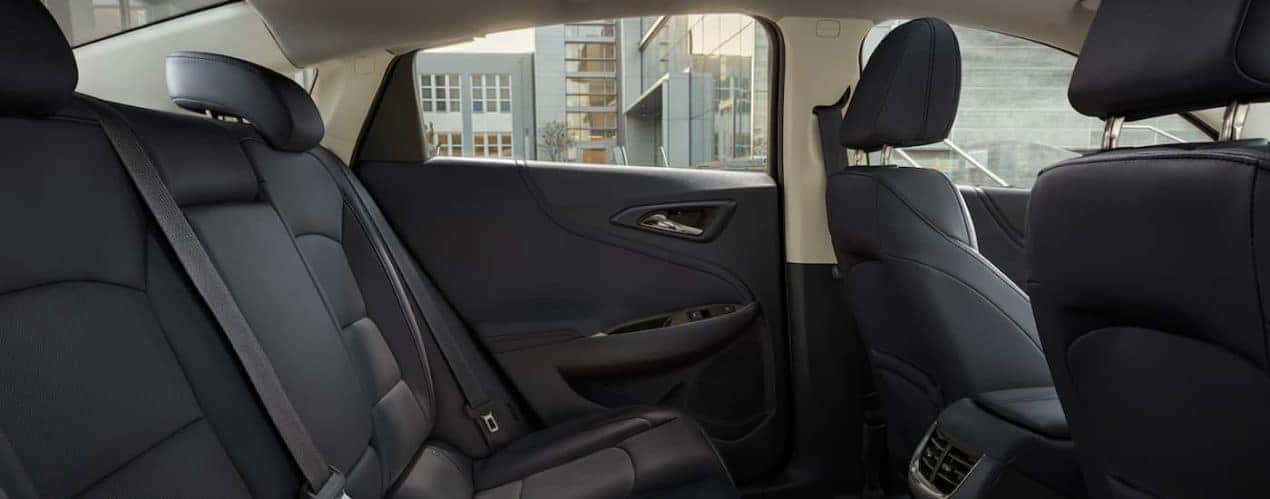
Overall, the Malibu offers more value to buyers at the lower end of the trim range. Additionally, the Malibu has more space for passengers and cargo, coming in at 102.90 cu.ft. of passenger volume and 15.7 cu.ft. of trunk space. The Altima measures at 100.6 cu.ft. of passenger volume and 15.4 cu.ft. of cargo capacity in the trunk. Though it may seem like a small difference, the extra two cubic feet of passenger volume translates to more comfort for you and your passengers.
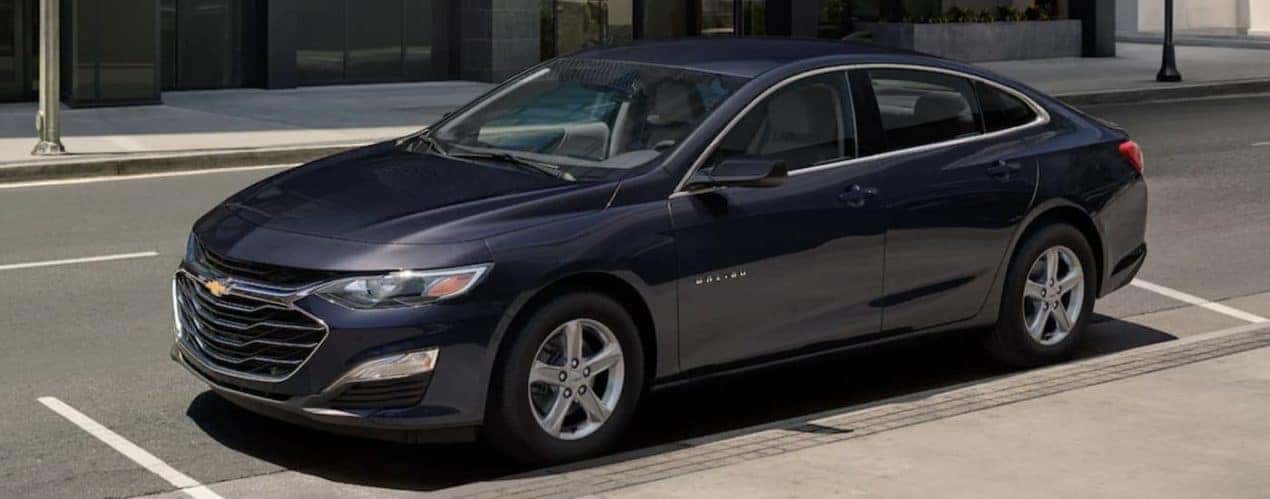
For 2022, both the Nissan Altima and the Chevy Malibu are offered in multiple trims. The Malibu lineup includes four trims and several equipment and appearance packages structured to help buyers choose without becoming overwhelmed. The Altima comes in six trims but lacks customizable appearance packages. Also, the Altima’s trim lineup seems unnecessary since the first three trims: the S, the SV, and the SR, differ in price by a mere $1,000.
The Altima S is Nissan’s base model. All-wheel drive is unavailable, and this trim includes very few creature comforts. Moving up to the SV adds $1,000 to the price tag, with larger wheels, an 8-inch touchscreen, and optional all-wheel drive. The next level up, the SR, adds yet another $1,000 and increases wheel size yet again to 19 inches. Buyers also get a sport-tuned suspension and paddle shifters on the steering wheel. On the Malibu, buyers can add appearance packages to less expensive trims, which translates to more control over the price you pay.
The SR Midnight Edition adds several appearance features, including black exterior accents. If you want the more powerful VC-Turbo four-cylinder, you’ll want to upgrade to the SR VC-Turbo, but prepare yourself for a hefty price increase. For luxury seekers, the SL is your best bet, but it’s priced lower than the SR VC-Turbo and downgrades several features, including wheel size, creating confusion and potentially causing buyers to opt for a trim with missing features or equipment they don’t want or need.
Chevy follows a more logical trim lineup with the 2022 Malibu, offering the midsize sedan in four trims: the LS, RS, LT, and Premier. Because all trims come with desirable features like standard StabiliTrak and wireless smartphone connectivity, choosing boils down to the extras you’re seeking. The RS offers a sportier appearance and performance-oriented extras, like dual exhaust and 18-inch wheels. The LT and Premier trims add luxuries like dual-zone climate control and heated outside mirrors. Chevy offers this array of features more concisely than Nissan, giving consumers the options they're looking for without any confusion.

Welcome to Rick Hendrick Chevrolet of Buford, your one-stop shop for the best deals on new Chevy cars, trucks, and SUVs. In addition to our huge selection of new models, including the amazing 2022 Chevy Malibu, we offer one of the largest inventories of pre-owned vehicles in the area, so whether you’re shopping new or used, you’ll find the vehicle you want in your price range right here on our lot. We invite you to start your search online or visit us here at our conveniently located Buford showroom.
We believe you’ll notice the difference from the moment you step through our doors because, at our dealership, you’re never subjected to high-pressure sales tactics or exhausting back-and-forth haggling. Instead, we offer a consultative and customer-centric experience. Our sales consultants are here to help you find your dream vehicle and get you the best possible price, and our in-house finance team will take it a step further by locating the most competitive lease or loan program available to suit your individual financial needs.
After you drive home happy in your new or used Chevy, we welcome you back for all your service and maintenance needs. Our state-of-the-art service facility is staffed with factory-trained technicians with years of experience. They’ll handle all your vehicle’s needs, from simple oil changes to complex mechanical repairs. We offer convenient online appointment scheduling and extended hours, so finding a time that works is easy.
Now is a great time to upgrade what you drive! Join thousands of happy and satisfied customers and partner with the Rick Hendrick team for all your driving needs. We’re standing by to provide world-class customer service, answer all your questions, and help you find the vehicle that works for your lifestyle and budget. Call or visit us today!
[a] MSRP may change without notice. See dealer for complete details.
*Images, fuel economy, and other stats, may reflect higher trim levels, options, or features that may result in a higher cost from the starting MSRP.
MSRP excludes tax, license, registration, additional options, and possible destination charges. Dealers set own prices.